Home
Travel Packages
All Packages
Cultural Tours
Forts and Palaces
Camel Safari Tours
Village Tours
Religious Tours
Festival Tours
Photography Tours
Wildlife Tours
Culinary Tours
Special Tours
Golden triangle tours with jungle safari
Cultural Tour Package of Rajasthan
Village Tour of Rajasthan
Heritage Tour of Rajasthan
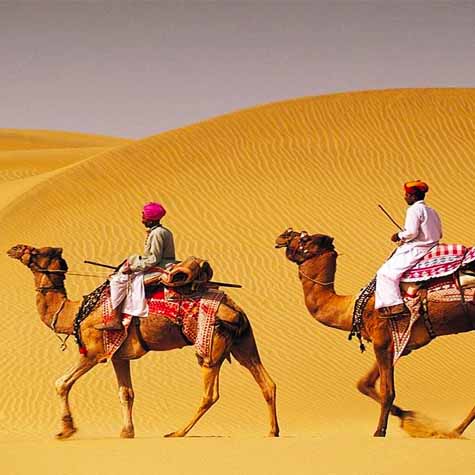
Camel Safari Tour package of Rajasthan
Destinations
Experience in Rajasthan
Fairs & Festivals
Art & Culture
Forts & Palaces
Museums
Temples
Art Gallery
Recreation & Leisure
Wild Life
Contact
Oops...!
Page not found
Suggested Packages
TRIP - 101
19D
18N
Rajasthan Tour Package from Jaipur
Jaipur-Bikaner-Bundi-
more
TRIP - 102
16D
15N
Cultural Tour Package of Rajasthan
Delhi-Mandawa-Bikaner-
more
TRIP - 103
10D
09N
Camel Safari Tour package of Rajasthan
Jaipur-Pushkar-Bikaner-
more
TRIP - 104
07D
06N
Golden Triangle Tour with Jungle Safari
jaipur-Ranthambore-Agra-Delhi
TRIP - 105
07D
06N
Famous Temple Tour in Rajasthan
Jaipur-Pushkar-Jodhpur-Udaipur
TRIP - 106
10D
09N
Heritage Tour of Rajasthan
Jaipur-Mandawa-Bikaner-
more
TRIP - 107
19D
18N
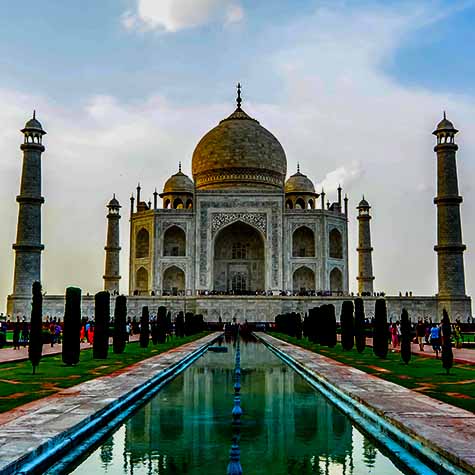
Rajasthan vacation Tour with Taj Mahal
Delhi-Mandawa-Bikaner-
more
TRIP - 108
09D
08N
Religious Tour Package of Rajasthan
Jaipur-Jodhpur-Mount Abu-
more
Send Query
Full Name:
Email address:
Phone Number:
Arrival Date:
Duration
-- Select Duration --
2 Days - 6 Days
7 Days - 12 Days
13 Days - 18 Days
19 Days - 24 Days
25 Days - 30 Days
More
Hotel category
-- Select Hotel category --
Luxury
Superior
First class
Economy
Comments